
Aston Martin’s 2026 Formula 1 campaign has hit turbulence straight out of the gate. Despite high expectations surrounding the new AMR26 – the first Aston Martin car designed under the guidance of legendary engineer Adrian Newey – the Silverstone‑based team finds itself approximately four seconds off the pace of the sport’s fastest cars during pre‑season testing in Bahrain.
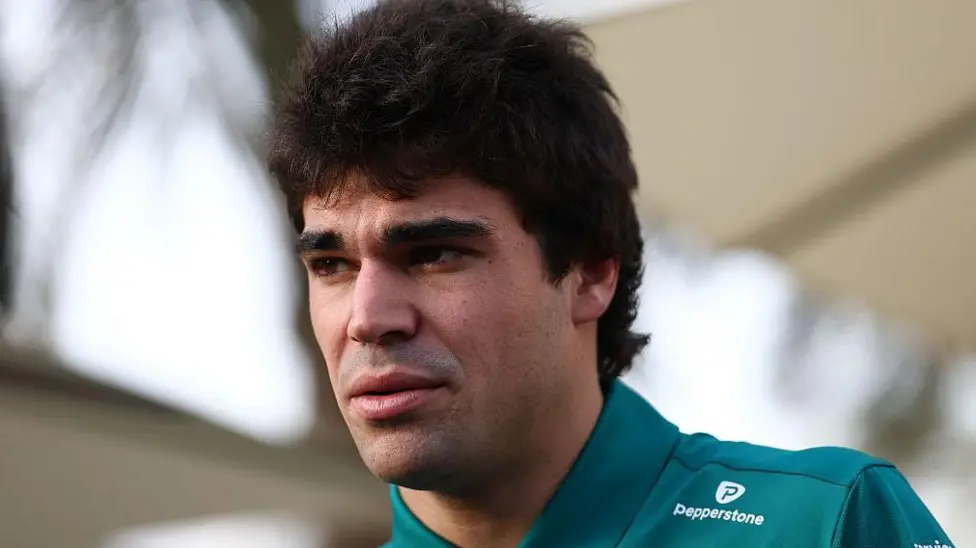
Lance Stroll didn’t mince words after Thursday’s running, saying:
“Right now we look like we’re four seconds off the top teams, four and a half seconds.”
That deficit – measured against benchmark laps from rivals like Ferrari’s Charles Leclerc and McLaren’s Lando Norris – paints a stark picture for Aston Martin as it attempts to emerge as a championship contender in 2026.
Why the AMR26 Is Underperforming
1. Limited Running and Reliability Headaches
Aston Martin’s testing program has been hampered from the start. The AMR26 missed key running during the Barcelona shakedown and then limited mileage in Bahrain due to a Honda power unit “data anomaly” that curtailed Stroll’s track time.
Stroll managed just 36 laps on day one in Bahrain before the team paused to investigate engine issues, slowing development and data gathering.
2. Engine, Grip, and Balance All Falling Short
When asked to break down the sources of the deficit, Stroll pointed to a combination of engine, balance, and grip issues – not a single problem, but a cluster of weaknesses slowing the AMR26.
The switch to a new Honda power unit – Aston Martin’s first exclusive engine partnership – has proven tougher than expected. The 2026 hybrid engine regulations have posed a significant challenge, compounding Aston Martin’s struggles.
Adrian Newey’s Radical Design: Inspiring but Not Yet Fast
Newey has described the AMR26 as one of the most extreme interpretations of the 2026 technical regulations, with innovative aerodynamics that have drawn attention and praise for appearance.
But radical design alone isn’t delivering speed this week. While rivals have completed robust test programs and meaningful mileage, Aston Martin’s lack of pace is glaring.
Stroll: “Performance Doesn’t Fall From the Sky”
Asked how Aston Martin closes the gap, Stroll was blunt: improvements must come through engineering development and upgrades, not hope.
“I don’t think it falls from the sky. I think you have to improve and find performance in the car and the engine.”
Even the AMR26’s only reliably positive note so far? According to Stroll, “The livery looks nice.”
Team Leadership and the Long View
Adrian Newey took on the dual role of Team Principal and Managing Technical Partner late last year, marking a dramatic shift in Aston Martin’s direction.
Stroll praised Newey’s leadership and performance obsession, but acknowledged that results simply aren’t there yet.
Can Aston Martin Recover Before Australia?
With the Formula 1 season opener in Melbourne just weeks away, Aston Martin faces a steep climb. Stroll admitted race wins are not realistic right now, but insisted the team still believes it can fight for victories later in the season as development continues.
“We’re where we are… Does that mean we can’t fight for race wins in the future? No, I believe we can.”
However, the consensus in the paddock is clear: while testing times are not definitive predictors of race performance, Aston Martin’s deficit is significant – and climbs will be tough without rapid progress on engine performance, aerodynamic balance, and reliability.